


The head and neck region is one of the most complex areas of the body. The region contains your brain, eyes, ears, mouth, throat, and nose with which you need to breathe, eat, speak, hear and view the world. You also express many emotions with your facial muscles which are tremendously valuable for communication. Dr. Mourad’s goal is to explain the intricacies of these advanced cosmetic surgery procedures in a clear and professional way.
Dr. Moustafa Mourad, MD, FACS is a distinguished, New York City based Facial Plastic and Reconstructive surgeon. He holds dual board certifications in Facial Plastic & Reconstructive Surgery by the American Board of Facial Plastic Surgery (ABFPRS), as well as Head & Neck Surgery (ABOTO). He is a Fellow of the American College of Surgeons and a Member of the American Academy of Facial Plastic and Reconstructive Surgery. He treats many conditions, both cosmetic and complex, that affect the head, neck, and entire facial area.
Dr. Mourad is internationally renowned and highly sought after for his expertise in facial plastic surgery. He currently serves in several high-profile positions. He currently serves as a Fellowship Co-Director for the American Academy of Facial Plastic & Reconstructive Surgery (AAFPRS), being responsible for training and providing expert instruction in the field of facial plastic surgery. He trains the most competitive applicants in the art of rhinoplasty, reconstructive head and neck surgery, facelift, oculoplastic, and facial rejuvenating surgery. This position has allowed Dr. Mourad to train in the next generation of surgeons, passing on his high level expertise. In addition, Dr. Mourad is the Chief of Otolaryngology- Head & Neck Surgery for Medisys Health Systems, providing access to oncological and microvascular surgery throughout the greater New York City area.
Dr. Moustafa Mourad is an expert in rhinoplasty and facial reconstruction. Dr. Mourad analysis and studies his patients face to determine the best course of action to maintain facial balance. He has received a number of distinguished awards, including the J. Swift Hanley Memorial Award for excellence in head and neck oncology research. He has also published dozens of scientific papers and chapters in academic texts. His work includes advanced research in areas such as head and neck oncology and microvascular reconstruction of the head and neck.

Dr. Mourad is double board certified by the American Board of Facial Plastic & Reconstructive Surgery, in addition to the American Board of Otolaryngology- Head & Neck Surgery. Dr. Mourad also serves as Fellowship Director in the American Academy of Facial Plastic & Reconstructive Surgery (AAFPRS). The AAFPRS is the preeminent authority responsible for the post graduate training of surgeons in the field of facial plastic and reconstructive surgery. The fellowship is internationally renowned and highly coveted, providing surgical training to the most exceptional candidates looking to further their skills and careers. As an internationally renowned surgeon in the field of facial plastic surgery, Dr. Mourad is responsible for training the next generation of surgeons in facelift, rhinoplasty, oculoplastic surgery, in addition to facial aesthetic procedures.

Source: Google | Jan 3, 2023
Source: Google | Jan 2, 2023

Source: ZocDoc | Dec 4, 2022

FaceLift Overview A facelift, or rhytidectomy, is a transformative cosmetic surgery aimed at revitalizing facial appearance and reversing advanced signs of aging. Surgical techniques include: elevating and repositioning the facial tissue and muscles around the eyes, cheeks, jowls, and neck. Facelift plastic surgery comes in various forms, each distinguished by the incisions made and the […]
Read the article
In recent years, there has been a significant increase in the number of men seeking cosmetic procedures to enhance their appearance. One of the most popular treatments among men is the use of Botox and dermal fillers to address deeper lines, static wrinkles, and volume loss. In this article, we explore the best Botox and […]
Read the article
Neck tightening procedures are becoming increasingly popular as people seek ways to improve the appearance of their neck and chin areas. A firm and youthful neck can significantly enhance one’s overall appearance, providing a more defined and attractive profile. Several options are available for neck tightening, ranging from non-invasive treatments to surgical procedures, each with […]
Read the article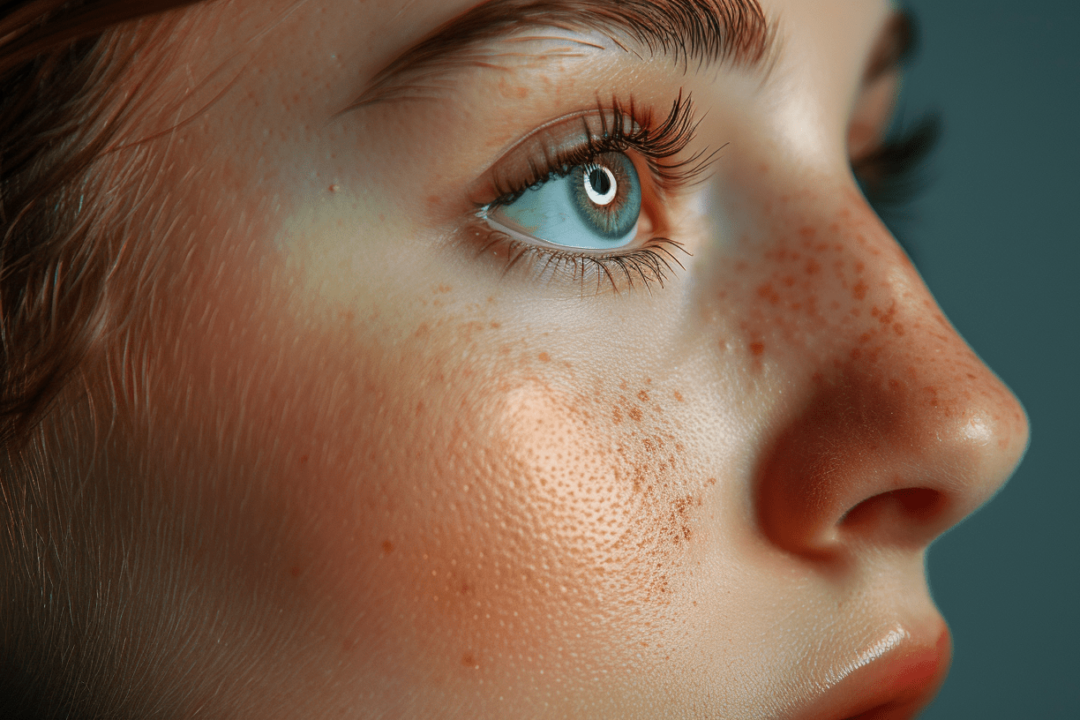
The nose, being a central feature of the face, plays a significant role in one’s overall appearance. Many individuals desire a pointy nose, associating it with elegance and attractiveness. Achieving a pointy nose can be pursued through various means, ranging from non-invasive methods to surgical interventions. In this comprehensive guide, we explore different techniques to […]
Read the article
Dr. Mourad, leading expert in reconstructive and plastic surgeries, helps speaks on high yield reviews and answers highly anticipated questions. Dr. Moustafa Mourad and his peers, Antonio Riera March and Sami P. Moubayed, will review reconstructive concepts and procedures.
Get the book
